

Article begins
Global health often treats death as the endpoint of disease. Mortality marks the conclusion of an epidemic, the final outcome in surveillance reports, and the measure against which interventions are evaluated. Yet during fieldwork in the wards of Buguruni and Vingunguti in Dar es Salaam, where many families live with the enduring consequences of poverty and HIV-related loss, I understood that HIV often persists long after death. Not as a virus, but through the social worlds it leaves behind. Long after one person’s death, surviving family members continue to negotiate hunger, displacement, caregiving, and uncertain futures. In this essay, I trace how these social consequences of HIV mortality unfold in profoundly gendered ways, reshaping care, survival, and everyday life for those left behind. It was through Emmanuel (a pseudonym) and a collective of widows that I began to understand what I have come to think of as the social afterlife of HIV mortality in Tanzania.
Through my work with the Social and Economic Education Transformation for Health (SEET) organization, I first encountered this afterlife through Emmanuel, a 16-year-old who acquired HIV perinatally, and his father, whom I met on two occasions nearly a year apart. Both had been living with HIV since Emmanuel’s mother died from AIDS several years earlier. During each conversation, Emmanuel described the same dilemma: when there was no food in the house, he often skipped his antiretroviral medication because taking it on an empty stomach left him too sick to attend school.
When I first met Emmanuel in July 2025, he proudly told me that he earned a small amount of money playing in local soccer leagues. Whatever he made helped support the household. The money, however, was never enough. His father pieced together occasional day labor whenever work was available, but employment was unpredictable, and the family frequently survived on a single meal a day. Sometimes they went an entire day without eating. As we talked, Emmanuel matter-of-factly explained that he had been losing weight; the pangs of hunger had become a daily reality.
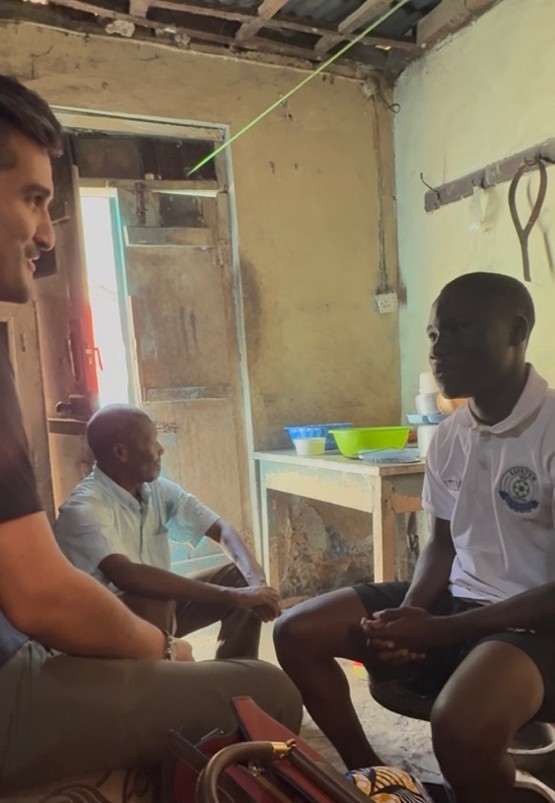
For Emmanuel, deciding whether to take his medication was never simply a medical decision. He understood the importance of antiretroviral therapy and wanted to remain healthy. Yet hunger transformed adherence from a question of personal responsibility into one of daily survival, forcing him to negotiate between the immediate demands of an empty stomach and the long-term necessity of remaining on treatment. On days when there was nothing to eat, skipping his medication felt like the only manageable option. His decision was not a rejection of treatment, but an attempt to navigate competing realities that rarely offered a good choice.
When I returned in April 2026, I was struck not by what had changed, but by what had remained the same. Emmanuel again spoke about going without food, missing doses of his medication, and worrying about school. Students were expected to pay fees that covered their daily meals. When his family could not afford them, Emmanuel told me that teachers, including the headmistress, sometimes beat him for arriving without payment. Missing school meant falling behind. Taking his medication without food meant becoming too sick to attend. Skipping medication risked his health. None of these options represented a meaningful choice.
In global health, interruptions in HIV treatment are often discussed through the language of adherence and noncompliance. Such terms imply that taking medication is principally an individual behavior, a matter of knowledge, motivation, or personal responsibility. Emmanuel’s story suggested something quite different. He never described himself as someone failing treatment. Rather, he described hunger, poverty, school, and HIV as intertwined realities that demanded constant negotiation. The question he confronted each morning was not whether he believed in antiretroviral therapy. It was whether he could physically tolerate taking it without food. His decisions about treatment were shaped not simply by living with HIV, but by continuing to live in the social aftermath of his mother’s death. Hunger, poverty, and interrupted care were not separate problems; they were enduring consequences of HIV mortality that shaped everyday life.
Listening to Emmanuel over the course of nearly a year challenged my own assumptions about what survives after HIV. Emmanuel’s experiences represented one gendered trajectory through the social afterlife of HIV mortality, just as the widows’ stories would later reveal another. Emmanuel shouldered the responsibility of caring for his body in the absence of his mother. Conventional measures of success in global health often end with treatment outcomes. Emmanuel’s story suggested that the consequences of HIV extended well beyond those measures. Long after his mother’s death, HIV continued to shape what his family ate, whether he attended school, and whether he could safely take the medication that kept him alive.
Analytically, food insecurity, education, poverty, and treatment adherence are often treated as separate domains. In Emmanuel’s everyday life, they were inseparable. Hunger determined whether he could take his medication. Medication determined whether he could attend school. School depended on fees his family often could not pay. What appeared in global health as distinct variables emerged in Emmanuel’s life as a single, interconnected reality.
Emmanuel’s experiences revealed one way the social afterlife of HIV mortality unfolded. Across Dar es Salaam, I encountered another, shaped in profoundly different ways by gender. Through SEET’s longstanding relationships within the community, I also came to know a network of widows whose husbands had died, many from AIDS. Unlike my conversations with Emmanuel, which took place one-on-one over the course of two visits, I came to know the widows collectively. Their meetings were held wherever someone could offer space, most often at the home of an older woman in the neighborhood. Before entering, everyone removed their shoes. We sat together on woven mats spread across the floor or beneath the covered porch, talking for roughly 90 minutes as women gradually arrived. There was no formal agenda. Conversation moved fluidly between everyday life, loss, money, illness, and the practical challenges of getting through another week.
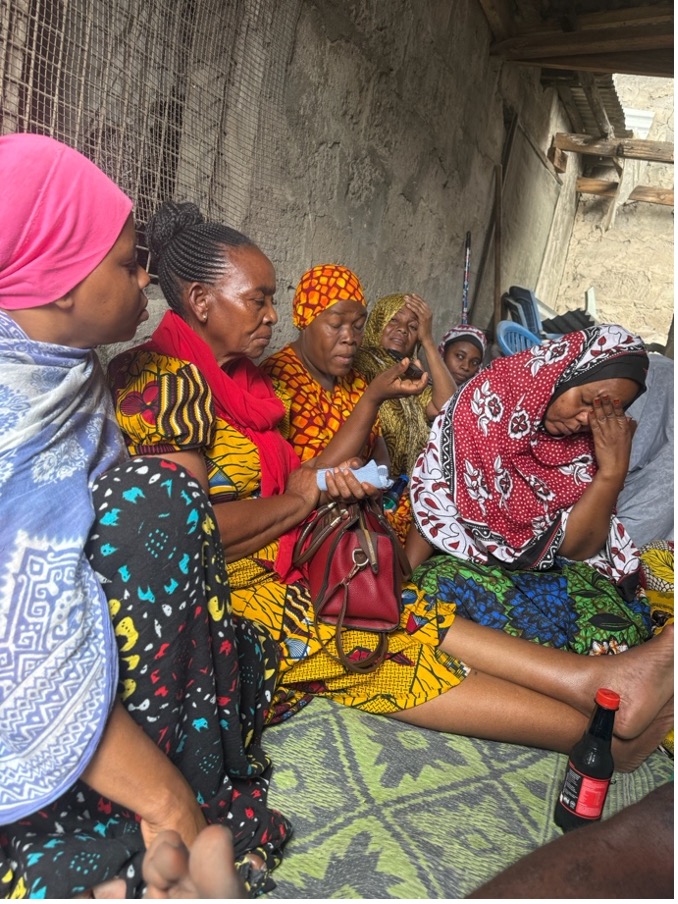
Repeatedly, women described how the death of a husband was followed by other losses. Several recounted being forced from their homes by in-laws shortly after the funeral, as relatives claimed ownership of family homes and left widows with few options to contest their displacement. Others described seeking help from the police, only to find that intervention often depended upon payments they could not afford, an impossible demand for women who had just lost both a partner and the household’s primary source of income. Widowhood, they said, was often followed by homelessness, financial instability, and the realization that grief could not be separated from the practical work of survival.
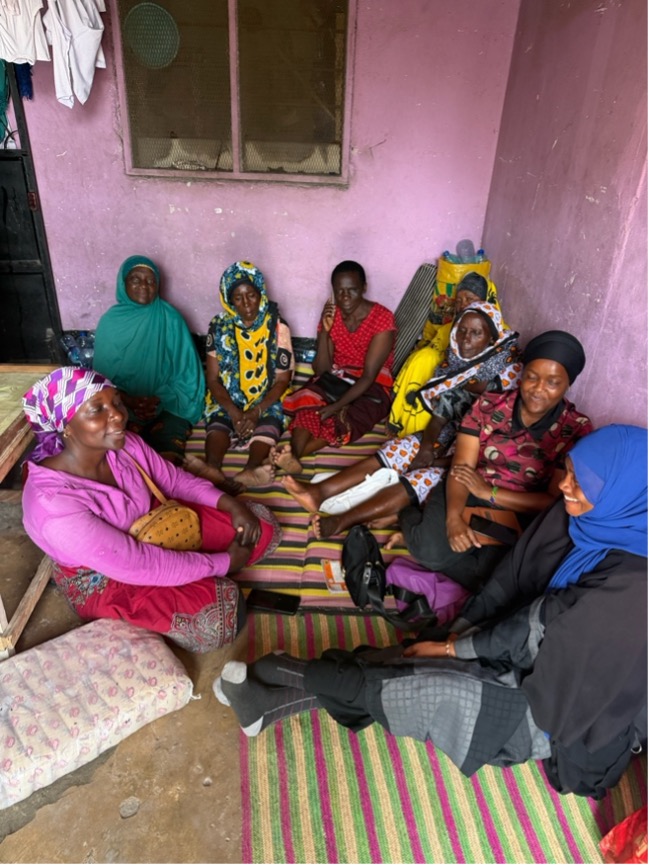
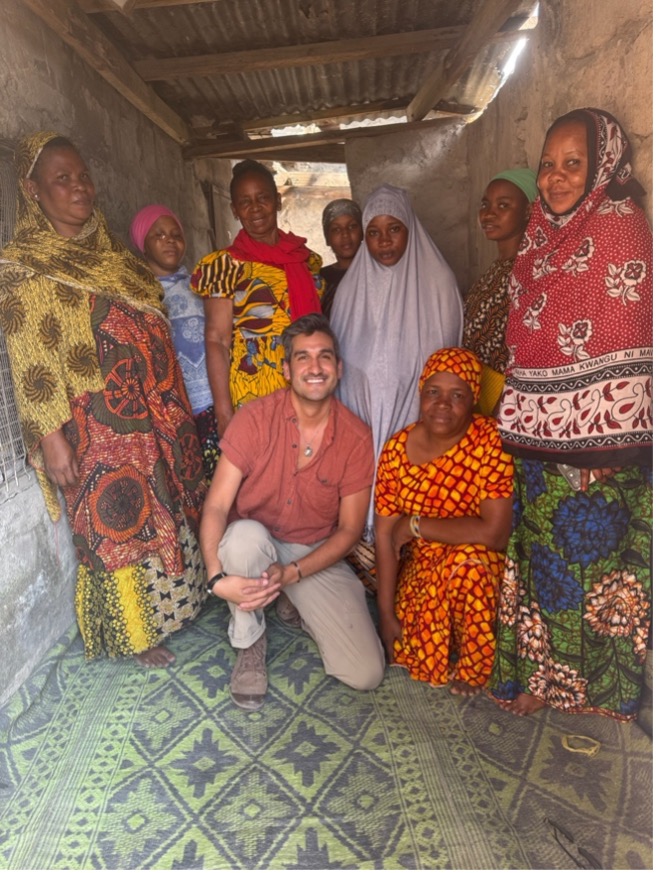
Yet these gatherings revealed that the social afterlife of HIV mortality was not defined solely by loss, but also by the collective work of survival. Each meeting, the women pooled whatever money they could spare into a communal fund that functioned as an interest-free lending circle. Members borrowed from the fund to start small businesses, purchase supplies, or meet immediate household needs, repaying what they could when circumstances allowed. The meetings became more than a source of financial assistance. At one meeting, the women celebrated a fellow widow’s repayment of her loan by singing, embracing her, and applauding what it represented: not simply financial progress, but a collective success. They were spaces where women shared experiences of violence, displacement, and hardship while offering one another practical advice, encouragement, and strategies for rebuilding their lives.
Although each woman’s experience was unique, certain stories resurfaced with striking regularity. Widowhood often marked the beginning of housing insecurity, financial hardship, and at times, social isolation; despite this, the meetings never lingered in despair. Women exchanged practical advice about navigating family disputes, discussed opportunities for earning income, and pooled their limited financial resources. In the absence of meaningful institutional support, they had created their own system of mutual care.
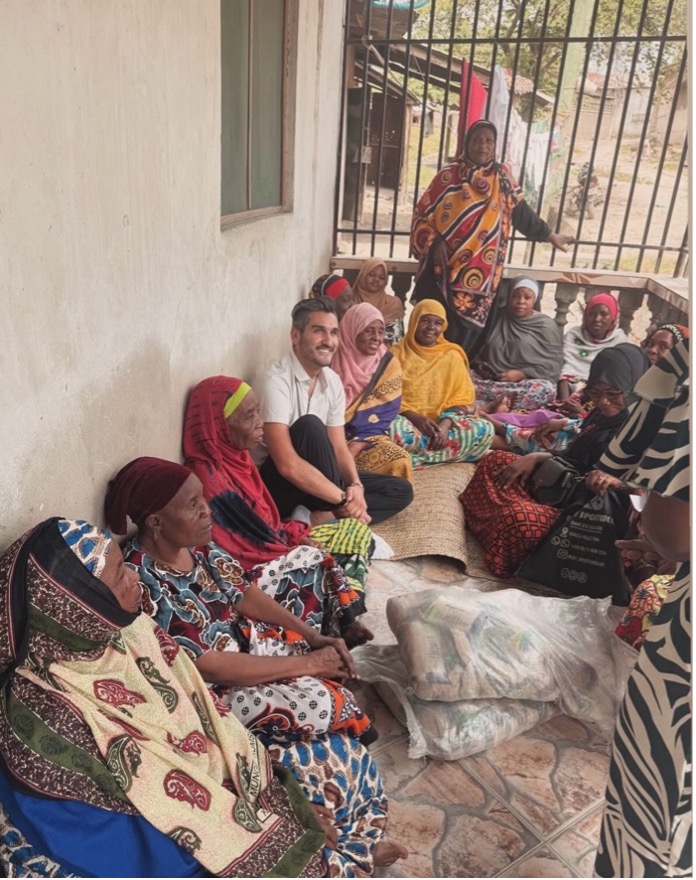
Their stories revealed how the afterlife of HIV mortality unfolded through gendered expectations about care, kinship, and survival. Although Emmanuel and the widows experienced the consequences of HIV mortality differently, their stories were connected by the ways gender shaped what death left behind. Following his mother’s death, Emmanuel inherited economic precarity within a surviving household, where hunger complicated treatment, education, and the possibility of imagining a different future. For the widows, the death of a husband often initiated another cascade of losses. Widowhood exposed many to contested property claims, housing insecurity, and economic exclusion while simultaneously requiring them to rebuild livelihoods and social support. HIV mortality did not produce a single social afterlife. It did not simply redistribute loss; it redistributed the work of living. In doing so, it reshaped responsibilities and vulnerabilities through gendered expectations about care, kinship, and survival.
Before arriving in Tanzania, I understood HIV primarily through the language of infection, treatment, and mortality. My fieldwork instead drew my attention to what remained after death. Nearly a year after I first met Emmanuel, hunger continued to determine whether he could safely take the medication that sustained his life. Years after losing their husbands, many of the widows I met were still negotiating displacement, economic insecurity, and uncertain futures while simultaneously building new forms of collective care. Emmanuel and the widows never spoke to one another, yet their stories became inseparable in my field notes because each revealed a different social afterlife of HIV mortality. Their experiences remind us that epidemics do not end with death. They continue in the everyday work of those who survive—finding food before taking medication, rebuilding a household after widowhood, and creating new forms of care when existing institutions fall short. HIV mortality did not simply redistribute loss; it redistributed the responsibilities of care and survival.
Sanghamitra Das and Taylor Bell are the section contributing editors for the Society for Medical Anthropology.