

Article begins
La Ruan said he was destined to live a lonely life. It would be better, he told me, to find a wife, secure companionship, and perhaps raise children. During my visits to his hometown, we spent long afternoons talking in his adobe house at the center of a Mixtec community nestled in a valley of green mountains. One day, I finally asked him about love.
“Love does not exist for people like us,” he said. Then he added: “Es un ratito” (It is a little while).
I met La Ruan while conducting research among Mixtec communities in Oaxaca, Mexico. In many Indigenous communities in Oaxaca, citizenship is not simply a legal status. It is earned and sustained through participation in collective responsibilities—community labor, public service, religious celebrations, and contributions to local institutions. Membership is tied to political duty, and duty is often organized through gendered expectations. Mixtec society remains deeply patriarchal, leaving limited space for queer desire. For years, I was interested in a question that rarely appears in studies of Indigenous governance and migration: what happens to queer people who openly engage in same-sex desire within patriarchal systems of communal citizenship? Are they excluded because of their sexuality, or can they remain full members of their communities?
La Ruan’s life helped me think through this question.
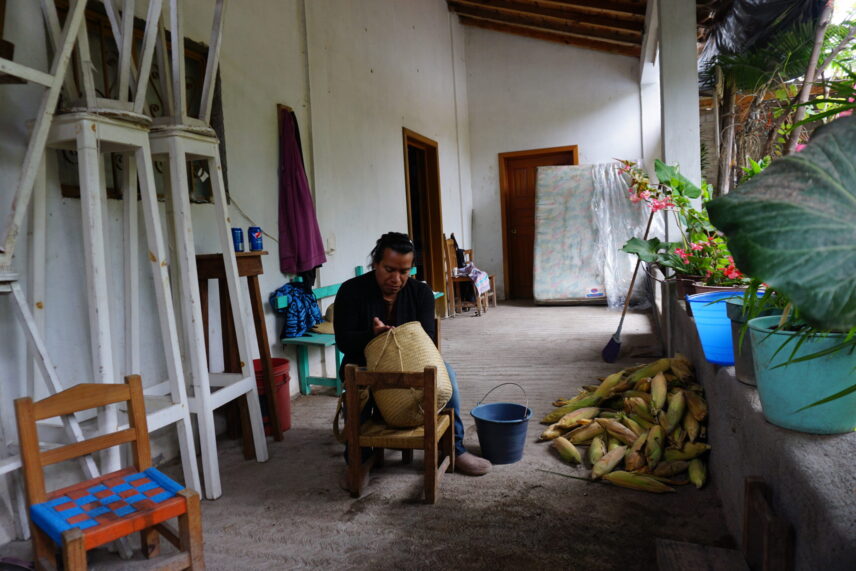
He fulfilled communal obligations in ways that secured his standing as an Indigenous citizen. He contributed through both male and female forms of labor: one day working alongside men in community construction projects, another helping women decorate the church. Through years of service, he became a respected voice in communal affairs. He often reminded me that municipal officials respected him despite his queerness, something he considered unusual in other Mixtec communities. His labor earned recognition and political standing. Yet citizenship also had limits.
Although respected in public life, La Ruan spoke pragmatically about love. He often advised younger queer men to marry women and have children. “It is a lonely life for people like us,” he would say.
His words reveal a tension that recurred throughout my research. Queer people could remain valued members of their communities, but often by prioritizing communal responsibility over personal desire. In this sense, citizenship frequently came before love.
This tension becomes even more visible through migration.
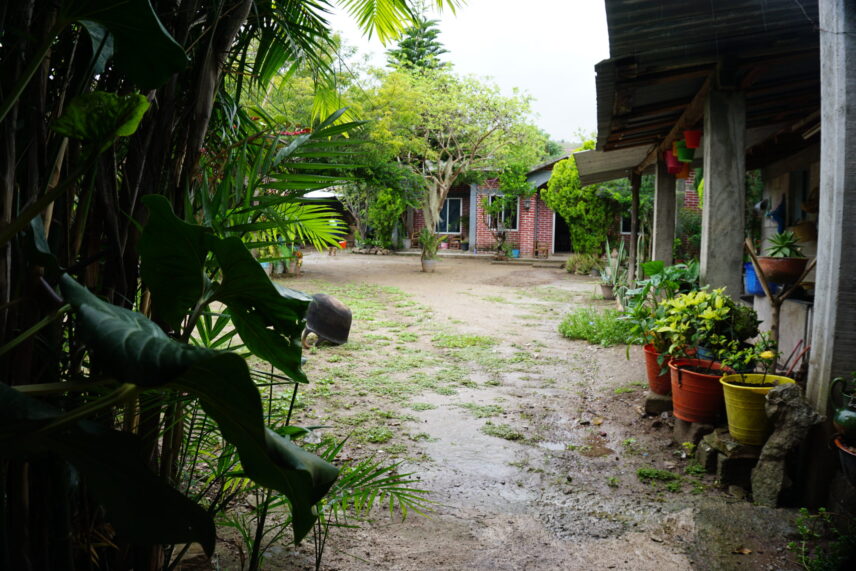
For decades, Indigenous communities in Oaxaca have been connected to destinations across northern Mexico and the United States through labor migration. These movements cannot be understood apart from the broader neoliberal restructuring of North America. By neoliberalism, I refer not only to policies promoting free markets, trade liberalization, privatization, and labor mobility, but also to a broader cultural project that encourages individuals to understand themselves through personal choice, self-realization, and market-oriented forms of freedom. Economic crises in the 1980s, the implementation of NAFTA in 1994, and the transformation of rural livelihoods accelerated Indigenous migration across Mexico and the United States. Yet neoliberalism reshaped more than labor markets. It also transformed how people imagined their futures, relationships, and identities.
For queer Indigenous migrants, these transformations created both new possibilities and new tensions. Migration exposed them to urban spaces, LGBTQ+ communities, and ideals of gay pride and self-expression often unavailable in their hometowns. At the same time, communal obligations did not disappear. Indigenous migrants continued sending remittances, paying community fees, supporting family members, and contributing to projects in their hometowns. Their lives unfolded at the intersection of neoliberal ideals of individual freedom and Indigenous forms of citizenship grounded in collective responsibility.
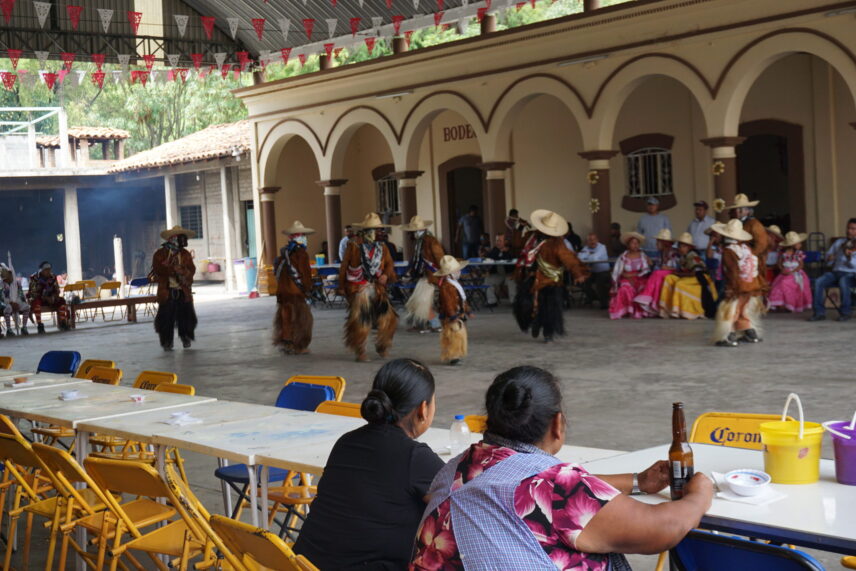
One such person was Jesús, a Mixtec undocumented migrant living in Southern California. Although Jesús identified as gay, he could not openly express his sexuality in his hometown. Living in the United States gave him space to explore his identity, form relationships, and inhabit the world as a queer, feminine Indigenous man.
Jesús’s community has experienced migration for generations. Today, its members are dispersed across Oaxaca, Baja California, and California, forming a transnational social world that stretches across borders. Labor migration has tied the community to global economic networks while sustaining strong commitments to local institutions and obligations.
Yet migration did not eliminate exclusion. Jesús described episodes of homophobia and violence from fellow community members, particularly during male social gatherings such as hunting excursions. Despite these painful experiences, he maintained a deep attachment to his community. When I visited his hometown, people often asked about him and wanted to know how he was doing in the north. Jesús frequently told me that he missed the mountains, the houses, and the people.
His story reveals a form of connection that exceeds sexuality alone. Beyond exclusion, there remains an affective bond linking his body to land, community, and collective obligation. Communal belonging persists despite hurt, distance, and migration.
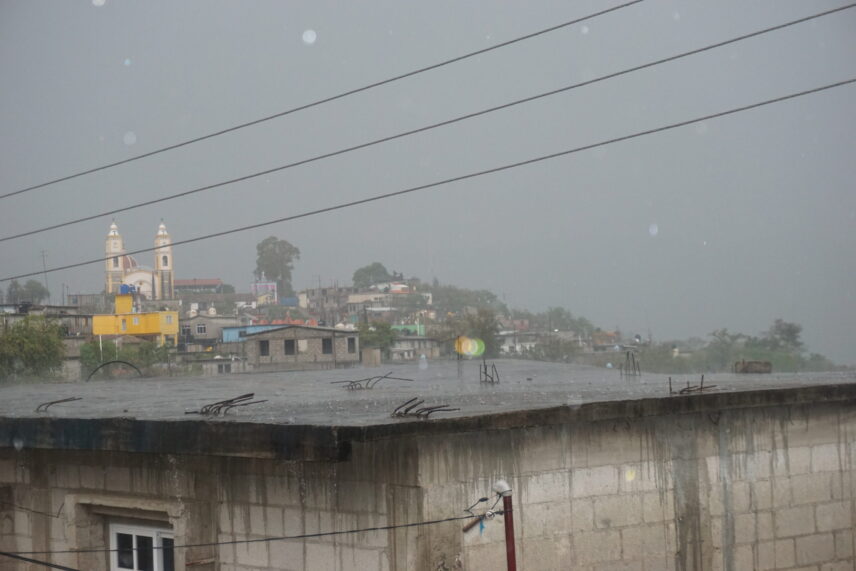
This relationship between belonging and mobility is not limited to migrant laborers. I also encountered similar dynamics among Mixtec engineers working in urban Oaxaca for multinational technology firms based in China, Brazil, and the United States. Their class positions differ significantly from those of migrant farmworkers in California, yet they also maintain strong communal ties while participating in global economic networks.
Their Indigenous pride is expressed not only through language and community participation but also through their visions of the future.
“We have to restore Oaxaca’s glory,” one engineer told me as we sat on a beach on the Oaxacan coast during my return in 2021.
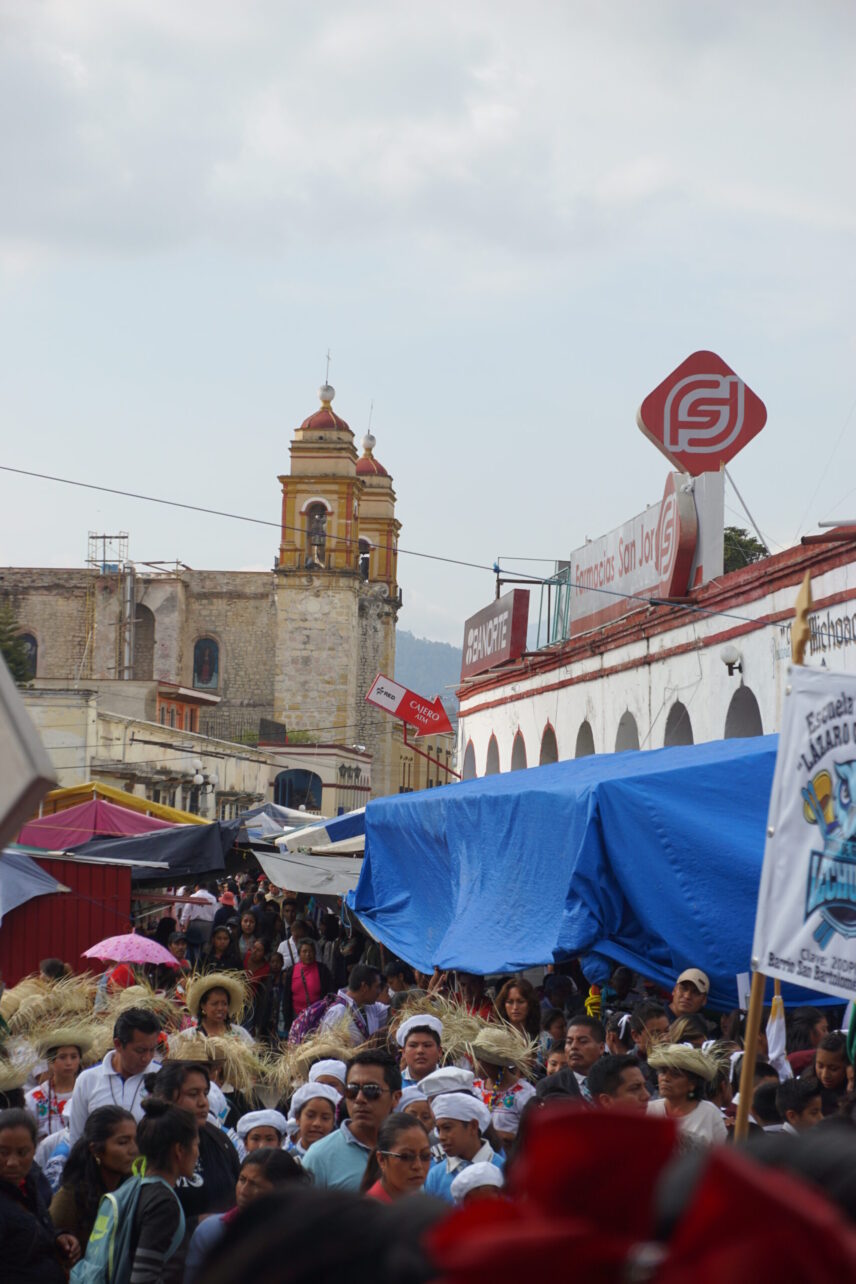
His comment reflects a vision of Indigenous modernity that combines technological advancement, regional pride, and commitments to local traditions. Rather than orienting themselves toward distant global centers such as New York or Paris, these young professionals often imagine development through Mexican cities such as Monterrey or Querétaro.
Through ordinary moments of desire, labor, migration, and belonging, I came to understand Mixtec sovereignty in a new way. Across differences in class, education, and mobility, my queer interlocutors maintain their citizenship and communal membership while navigating sexuality, migration, and patriarchy. Their lives show that Indigenous sovereignty is not only expressed through formal political institutions, but also through everyday practices of belonging.
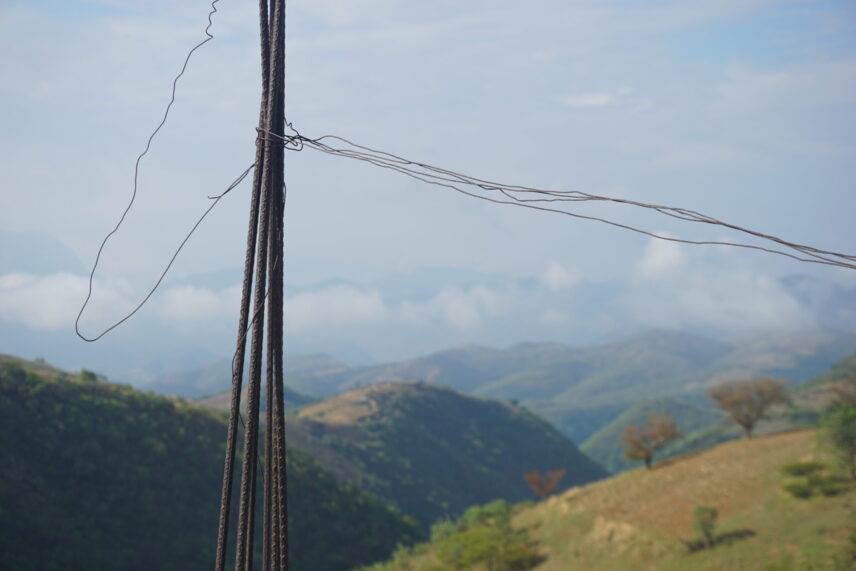
I initially turned to queer lives to understand membership within a patriarchal Indigenous society. What I found was that queer people are not outside communal life. They remain deeply embedded within it, contributing labor, fulfilling obligations, and sustaining ties across borders. Yet these forms of belonging are not without tension. As La Ruan reminded me, citizenship often comes before love.
His words remain with me. They reveal both the possibilities and limits of communal belonging. Queer Mixtec people navigate lives shaped by desire, obligation, migration, and citizenship. In doing so, they show that Indigenous sovereignty is lived not only through governance and political authority, but also through the intimate and often difficult work of remaining connected to community.
Liliana Ramirez and Tannya Islas are the section contributing editors for the Society for the Anthropology of North America.