

Article begins
The annual Louise Lamphere Internship Program offers two interns the chance to spend six weeks in Washington, DC, splitting their time between the American Anthropological Association (AAA) and either the Alexandria Archaeology Museum or the Smithsonian Center for Folklife and Cultural Heritage (CFCH). In this piece, they recount their invaluable time as Louise Lamphere interns, reflecting on what they learned from their experiences at the AAA and their respective field sites.
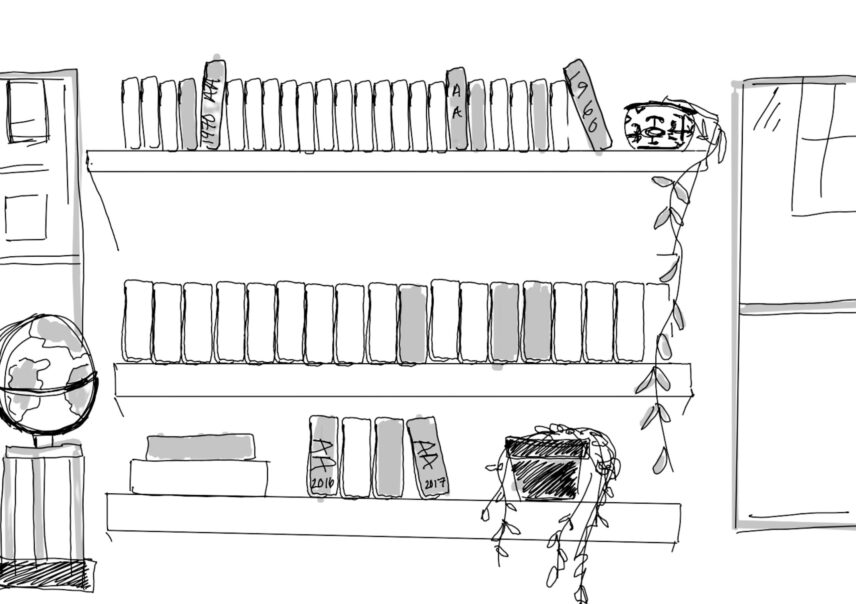
When we walked into the American Anthropology Association office in Arlington, Virginia, we were greeted by a wide-open floor plan and bookshelves directly across from the door packed with American Anthropologist volumes ranging from the late 1800s to the present, plant vines weaving across them. We could see the history of this organization laid out on the shelves—a history we directly interacted with through our projects as interns at the AAA.
But before we get to those projects, let us introduce ourselves. My name is Kate Kirwan, and I am a recent graduate of the University of Notre Dame, where I majored in anthropology and Spanish. I first found out about the internship program from my thesis advisor and professor, Dr. Eric Haanstad, and it turned out to be the perfect fit, combining my interest in the discipline of anthropology and the world of folklife. My name is Lianna Paton, and I graduated from the University of South Florida, where I majored in anthropology. I first heard about the American Anthropological Association at their annual conference in Tampa in 2024. Since then, I have utilized their job board and found this internship program. My interest in archaeology and museums lined up perfectly with the AAA’s off-site placement at Alexandria Archaeology Museum.
We began our internship earlier this summer. On our first day, we boarded the Foggy Bottom metro to Court House station. After arriving a bit too early, we found a coffee shop (and soon realized that DC is quite expensive…). We met our intern coordinator, Ashley, who warmly showed us the ropes. The next day, we found out that Tuesdays are the staff’s in-person day, so we met everyone else and learned their roles in the office, as well as attended our first all-staff meeting. We continued work on the Governance History Project, reviewing and organizing archival records of the Executive Board Meeting Minutes from as early as the 1970s.
Another project we engaged with during the AAA portion of the internship included compiling Section data to streamline and generate reports for the Association to better support the 38 sections. A highlight of this project was seeing the diversity of the discipline and the dedication that each Section brings to the AAA. We also had the opportunity to review infographics that the AAA Virtual High School Interns created and see the behind-the-scenes of the Annual Meeting by assisting in grouping sessions together by theme.
The variety of projects we were exposed to allowed us to explore the diversity of the work the AAA does to support the discipline, as well as aid in our own career discernment as recent graduates. But we also learned a lot through the other part of our internship: working at the Smithsonian Center for Folklife and Cultural Heritage (Kate) and the Alexandria Archaeology Museum (Lianna).
Kate: Smithsonian Center for Folklife and Cultural Heritage
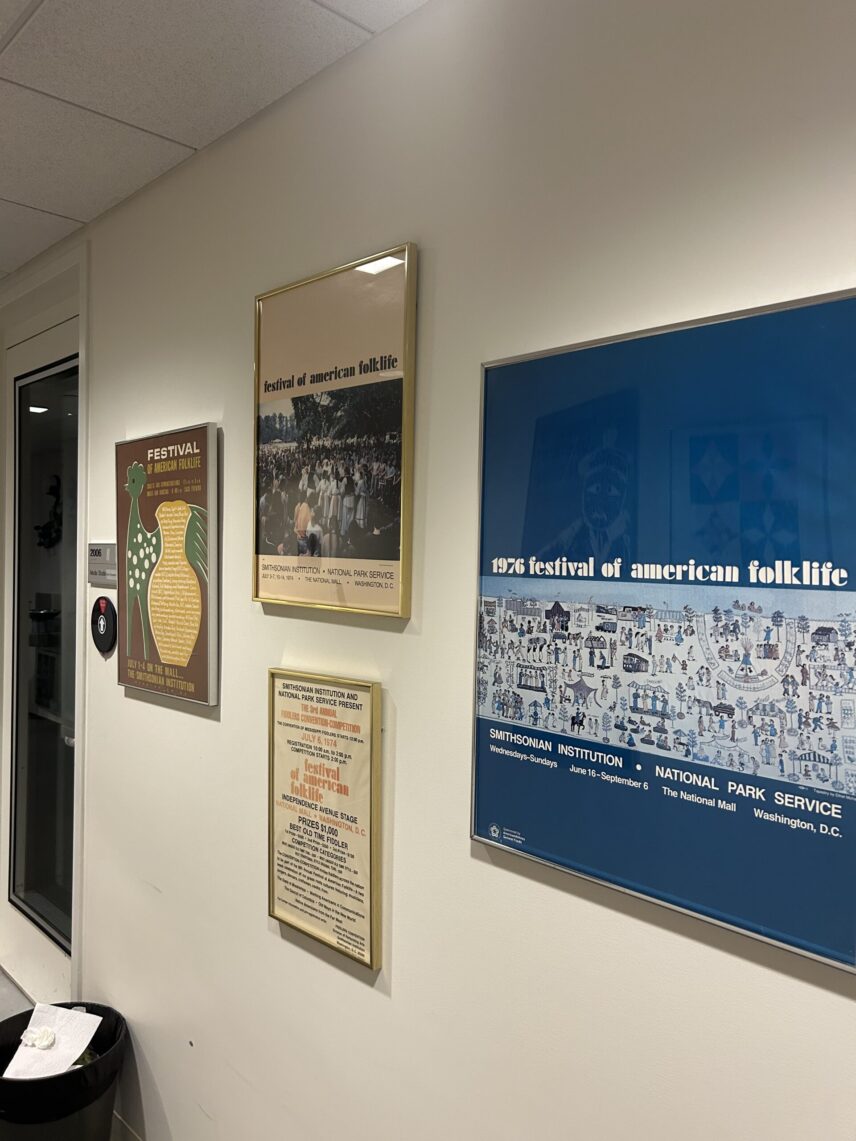
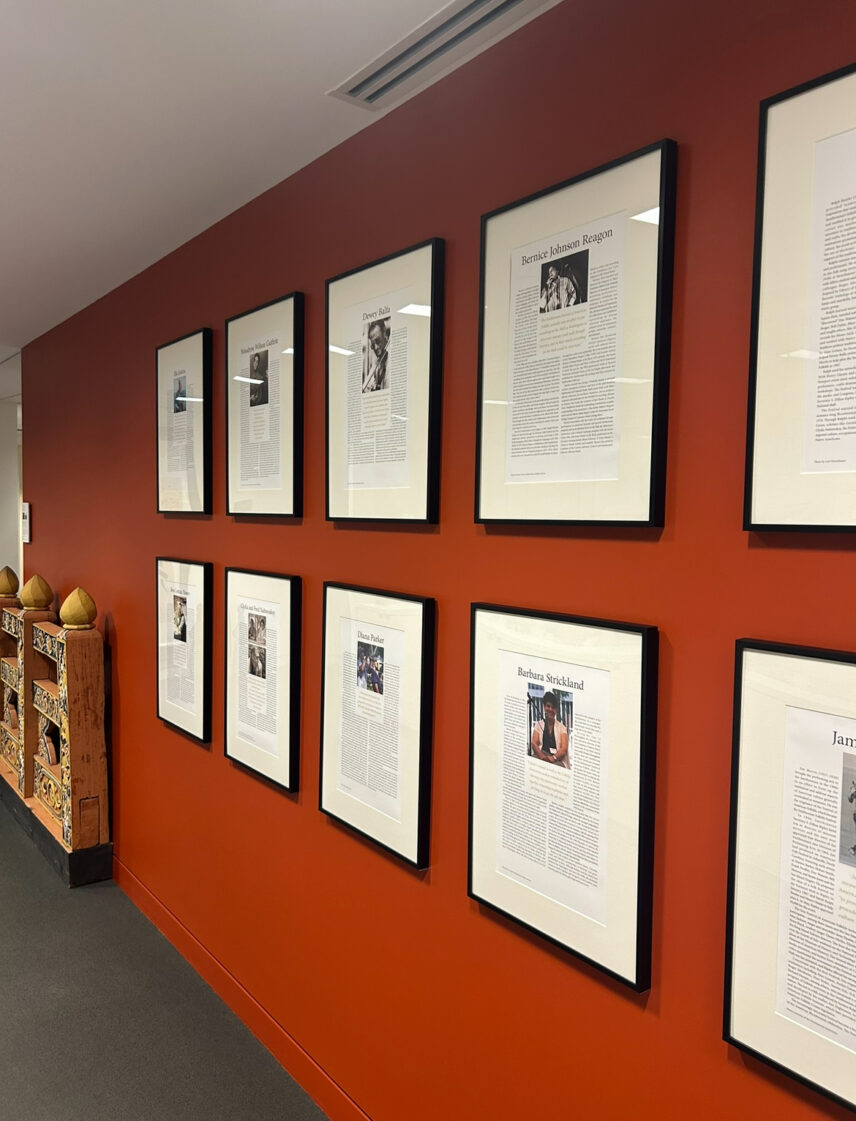
The office for the Center for Folklife and Cultural Heritage is filled with vintage posters from previous festivals, “storied” objects, and vinyl records produced by the Center’s very own record label: Smithsonian Folkways Recordings. As I walked down the maze of hallways on my tour of the office on the first day, it felt more like a museum than an office (fitting, of course, for the Smithsonian). However, I soon came to realize that one of the unique aspects of working for the center (instead of one of the more “traditional” Smithsonian museums) is that the real product of their work, the annual festival, is alive in a way that a museum exhibit is not. Instead of curating a selection of objects, they curate selections of musicians, cooks, weavers, storytellers, and culture bearers. The festival has the unique ability to tap into immersive sensory experiences such as listening to live music and eating homemade food that make all of us feel more deeply human. On my tour, the intern coordinator pointed out a “wall of fame” dedicated to the institution’s founders and past legends, noting quietly that these were the people we “stand on the backs of.”
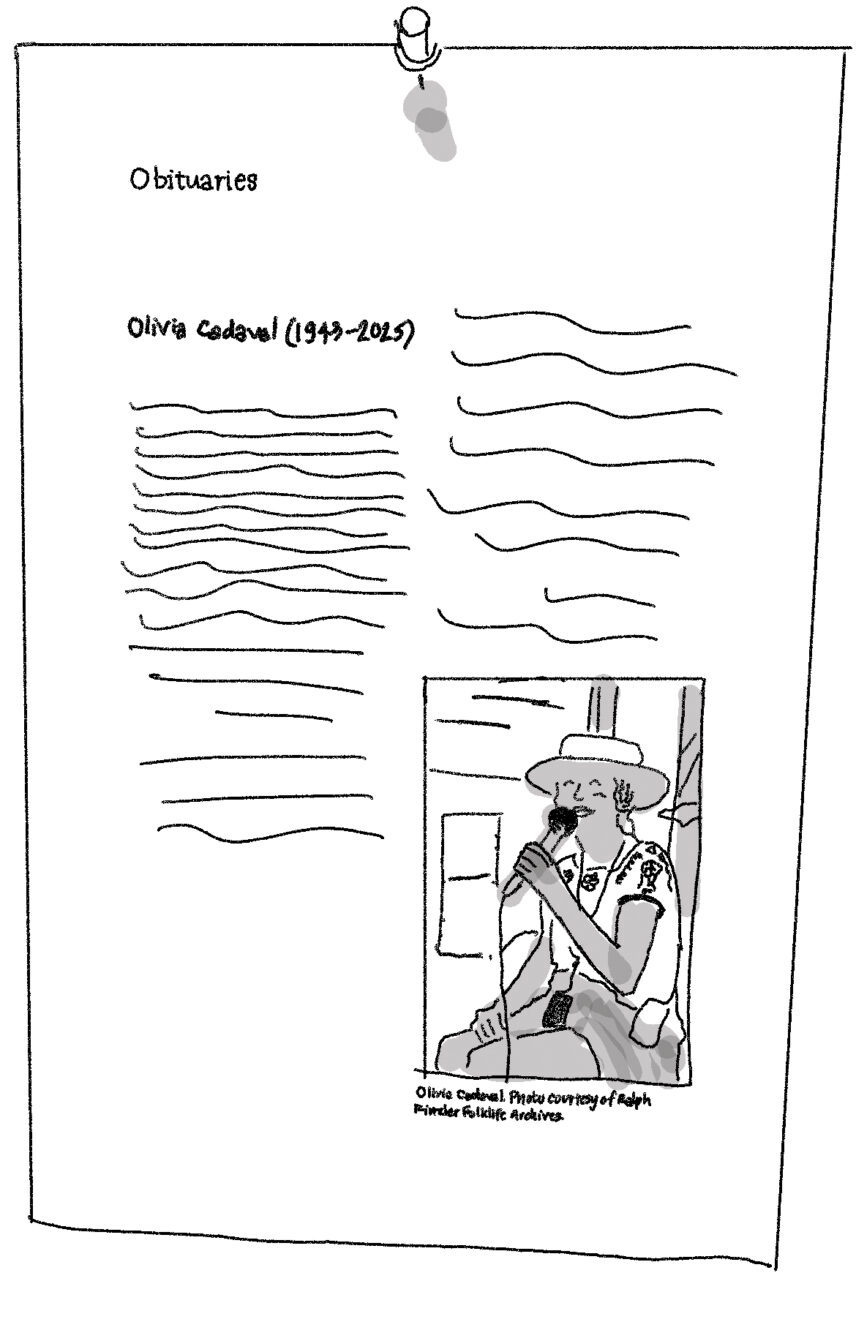
My first day’s assignment was to read texts written by some of the foundational thinkers that shaped the philosophy of the center, including Dr. Olivia Cadaval. Cadaval was a pioneer in the Smithsonian for elevating Latino voices and cultures, as well as encouraging a grassroots type of folklore—one that championed not only academics’ voices, but also community leaders. Two of her quotes particularly left a mark oin my first impression of the center’s work:
“The Folklife Festival forms part of a genre that demands a collapse or suspension of ‘real time’”’ and an ‘imagining’ of a synthetic representational reality.”
“At its best, the Festival makes room for an alternate vision, a reordering of reality from a local, grassroots perspective.”
When you are an intern staring at numerous spreadsheets of festival schedules and logistics, Cadaval’s words remind you of why this work matters day to day, even when your tasks feel small. Much of my own day-to-day routine included assisting with support for the evaluation of the festival, as well as planning a small upcoming convening in Detroit, a gathering for festival curators to discuss the future of festivals, museums, and the field at large. Both the evaluation and convening support tasks I engaged in taught me about the parts of cultural heritage work that do not always get talked about but are nonetheless critical for the vitality of the field. It is essential for the center to understand how and whether their programming is reaching their goals to connect with each other, the public, and the culture-bearers. These programs help them both improve their programs and make the case for future support.
The newly reopened Arts and Industries building was the epicenter of the festival activities this year, rather than the traditional location of the National Mall. Here, I got to shadow the recording of an oral history for the center’s 1976 Oral History Project, attend a pottery making workshop with a local artists, and had the opportunity to attend panel sessions featuring notable Smithsonian initiatives or exhibits the Center put on topics ranging from the Postal Museum to watershed health to the Butter Cow on display at the Renwick Gallery. One moment that stood out was listening to an emotional testimony from a visitor sharing his story at the center’s 1976 Oral History pop-up. His testimony demonstrated to me the deep history of the festival and how its programming stays with visitors many years down the line and deeply impacts their lives.
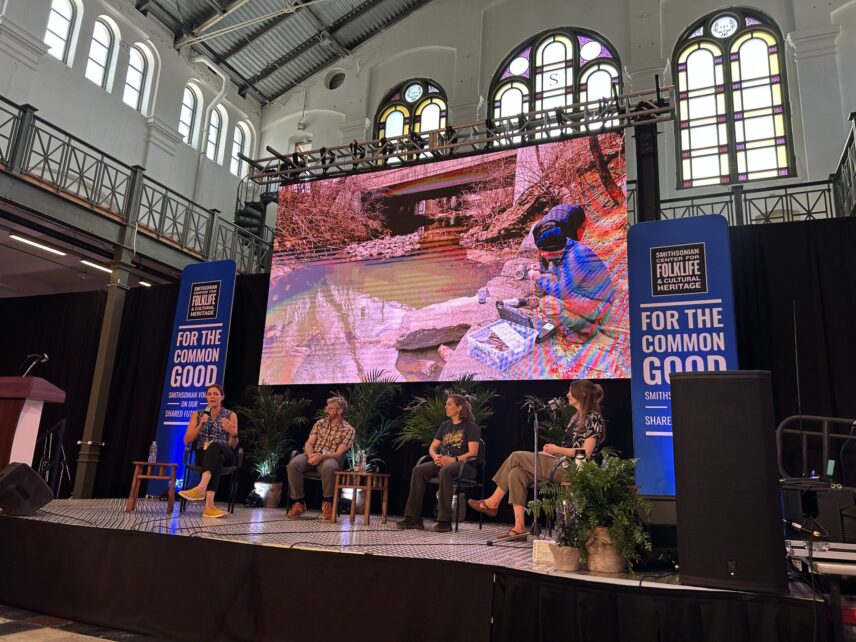
Being an intern at the center in 2026 was certainly a unique vantage point into how institutions change over time. Past AAA interns who worked there focused on evaluation on the ground level of the festival or writing blogs on the experience of attending the festival. However, this year’s “Festival of Festivals” is not happening in the traditional format of a one-week festival on the national mall. Rather, to mark the 250th year anniversary, it is a collection of various festivals around the United States.
However, the core tenets and goals of the festival(s) remained. One day as I filled up my water bottle in the kitchen breakroom, my eyes drifted to the community bulletin board. There were various obituaries pinned up, one of which was Olivia Cadaval’s. Seeing her face there, I thought about how one of the biggest lessons I took away from my anthropology theory class was the ways in which scholars influenced each other. The scholars shaped the discipline through networks of mentorship and discussion. Just as Dr. Louise Lamphere mentored Dr. Mary Moran, Dr. Cadaval’s work and ideas continue to shape the institution of the center.
The center, like all institutions, is built, sustained, and reshaped constantly by networks and human relationships. As an intern trying to find their footing and direction, a glance at this obituary in the kitchen provided a comforting sentiment that my job here was to listen, ask questions, and step into these lines of mentorship, allowing myself to be transformed by both the experience of the festival and the individuals I had the honor of working with.
Lianna: Alexandria Archaeology Museum
Growing up in Florida, water brings about a feeling of familiarity for me. That’s why working alongside the Potomac River at the Alexandria Archaeology Museum in the Torpedo Art Factory and the Sails on the Potomac event in Alexandria, Virginia, felt fated. At the festival, I volunteered in front of the Kalmar Nyckel, a replica of a 1638 Swedish ship. Although my task was to welcome guests on land before they went on a tour, it felt like they were welcoming me into their community because it was my first weekend in this town.
There was a heat wave that weekend in early June, but it didn’t matter. What stuck with me were the conversations about archaeology and maritime heritage and the childlike excitement of boarding the tall ship from all ages. I distinctly remember bringing up my hometown of Tampa Bay and bonding with a guest over the Weeden Island Preserve, a natural and cultural site where I gained my archaeological experience in undergrad. I was reminded of how far I‘ve come and why I am here to continue my career in archaeology and museum studies.
The Sails on the Potomac event also established a great bond with my site supervisor, Emma, because we navigated the heat and other challenges. This event truly set the tone at the Alexandria Archaeology Museum because I felt like I belonged in the community. After my shifts in Old Town Alexandria, I would take my time getting back to the bustling city of DC, sitting by the water where life seemed to slow down. I thought about how this port city once brought in ships, ceramics, and all their stories. It’s in the archaeological record to make these histories visible.
The third week I was surrounded by a sea of business casual attire at the Foggy Bottom station, and I was dressed in dirty cargo pants and worn Converse shoes. I was ready to work at the museum’s annual summer camp for a group of 13- to15-year-olds. At the King Street-Old Town station, there is George Washington Masonic National Memorial, and behind that there is an open field where Shuter’s Hill archaeological site (44AX175) is located. We were digging for remnants and the location of an 18th-century structure that was property of Ludwell Lee. The kids at the camp were partaking in excavation and contributing to the professional archaeological record at Shuter’s Hill. It was a breezy and blue-sky day to dig. I oversaw 3 teenagers to a single unit for the week.
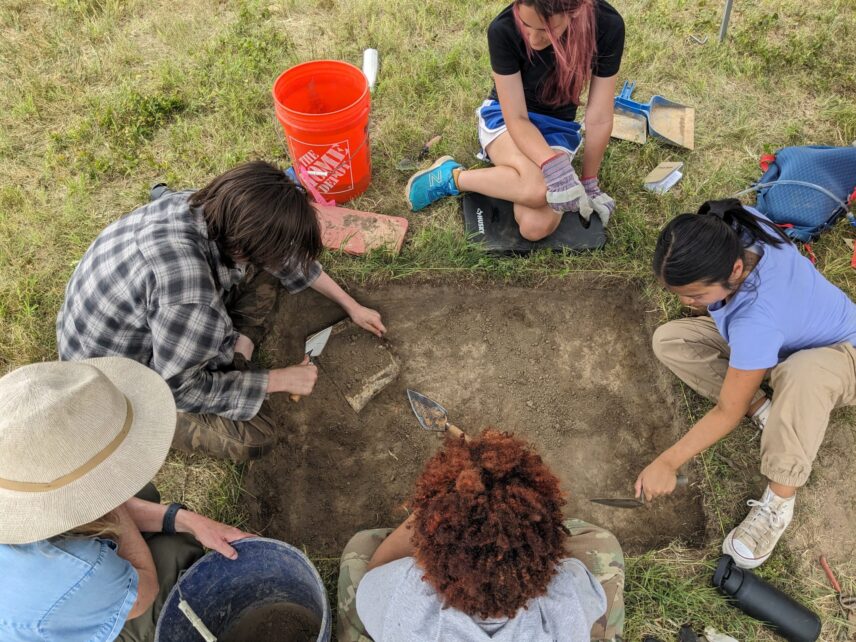
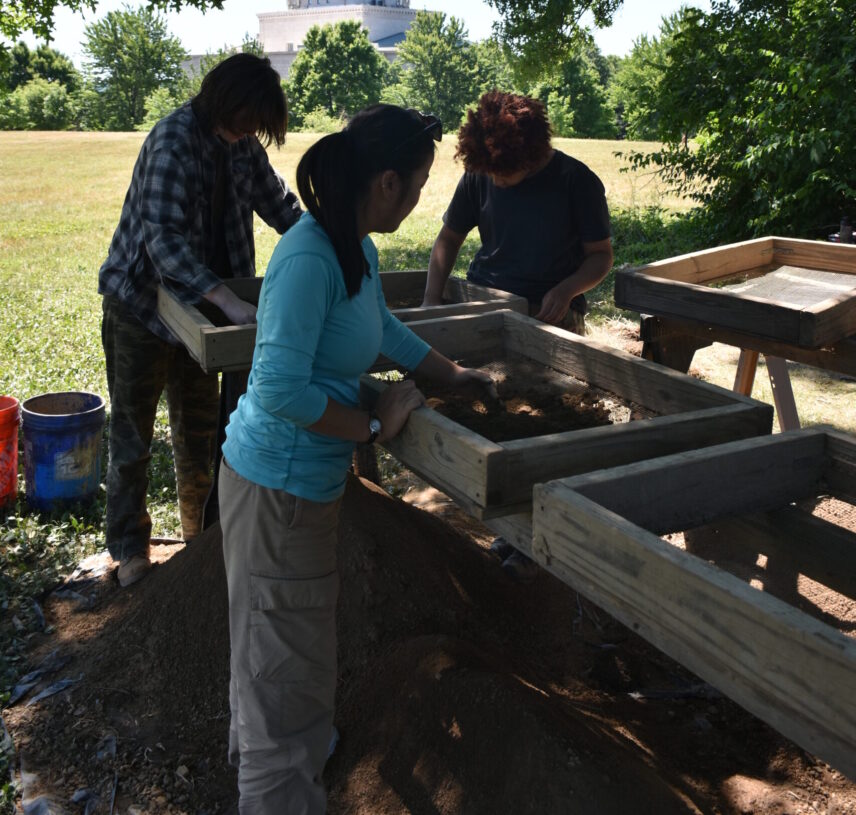
One of the most memorable moments of the camp was on the second day, when rain started to pour. The afternoon was muddy, and sifting the material excavated became challenging. One of the kids was even making “mud pies” as a means to use the palm of their hands to push the dirt through the screens. The kids learned a lot about not only the fieldwork, but on Thursday they learned about the lab process. Dust flew off the iron bits with a dry toothbrush, and the ceramic pieces were submerged in water to clean the material. The artifacts were sorted out onto a drying screen and the campers flipped through a resource handbook to identify what was once in the ground. Materials that were found were glass, brick, charcoal, ceramic pieces, and even a Civil War Minie ball.
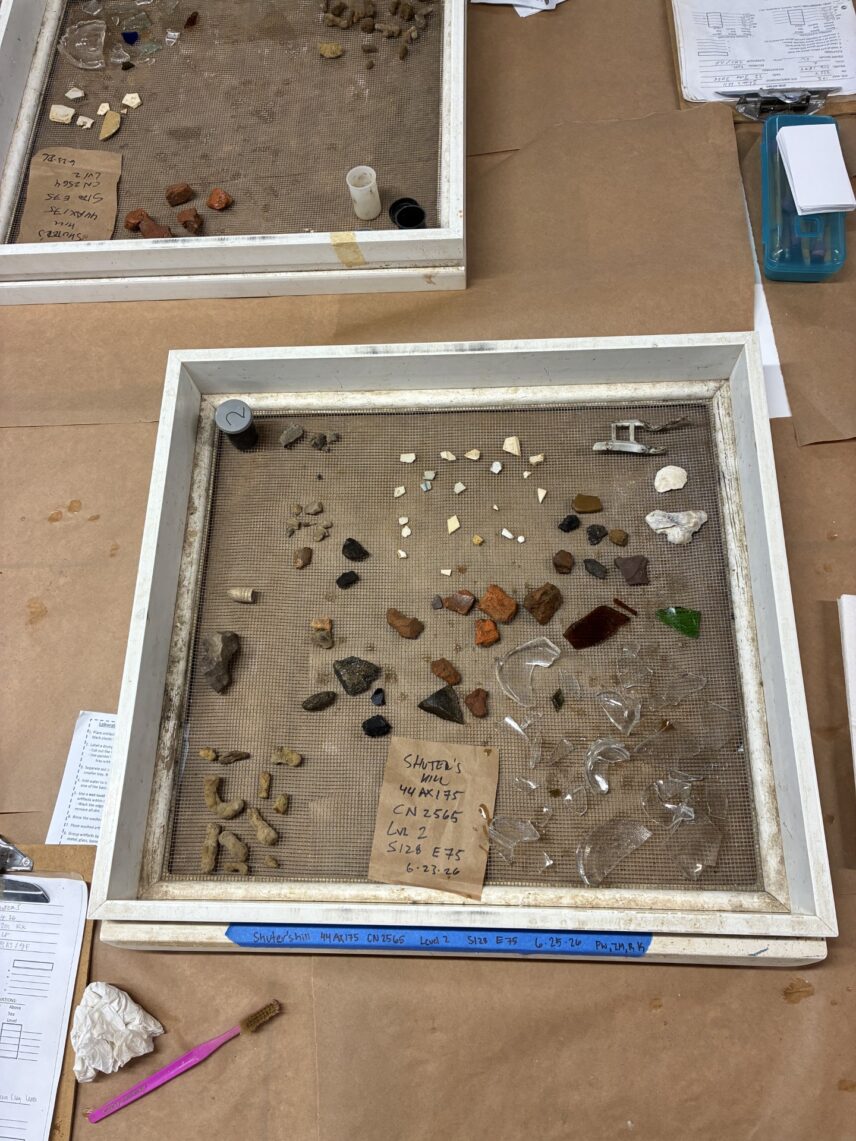
By the end of the week, we were all a little tired but felt accomplished. We hosted an open house to show all that the campers learned, and I was in charge of the artifact station. It was very gratifying to listen to the kids comprehend all that they learned and tell the story of the Shuter’s Hill site through the materials they excavated. One of the summer camp kids was speaking German to his family and he switched to English for some vocabulary words such as Minie Ball, creamware ceramic, and ginger glass bottle. I watched his face light up as he was sharing what was found this past week and saw him point to the details of the glazing of the ceramic.
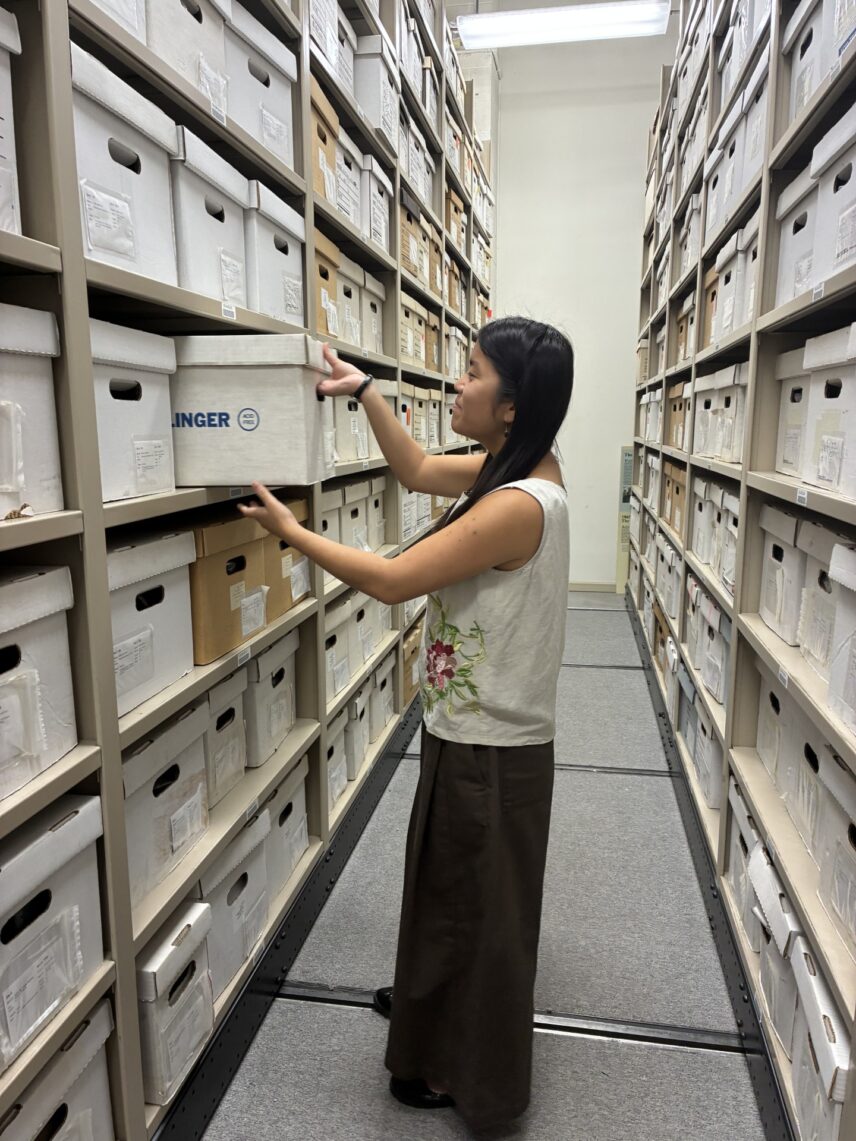
In addition to the Sails on the Potomac event and the public archaeology camp, I learned about museum collections management, historic ceramics relative to the area, and the importance of lab work. There’s preservation in the stacks and catalogued materials construct stories of Alexandria.
Conclusion
Beyond AAA’s bookshelves of anthologies, CFCH’s honoring of Cadaval, and the Alexandria Archaeology museum’s utilization of trowels, our time living at George Washington University allowed us to explore the city, made possible by DC’s impeccable public metro system. As interns in the vibrant, multicultural, and bustling DC, the learning extended well beyond our respective offices and field sites. Although DC is known for being full of large governmental, national, and political institutions, we found that each neighborhood has its own charm and personality.
Some of our highlights included touring the Library of Congress on Thursday evenings when they extended their hours until 9PM, Kate visiting Lianna working the Sails on the Potomac Festival on our first weekend, a Washington Nationals Game, live music at the National Botanical Gardens, the Smithsonian Solstice event (a weekend when the museums stayed open until 10PM), and cheering on teams at various World Cup game watch parties at a Latin Marketplace, La Cosecha.
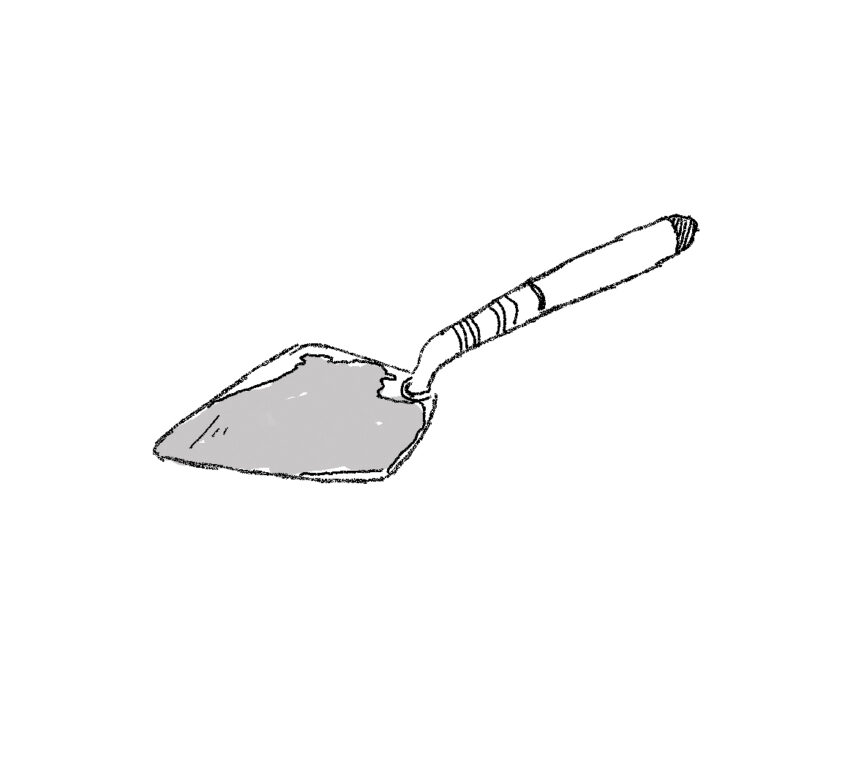
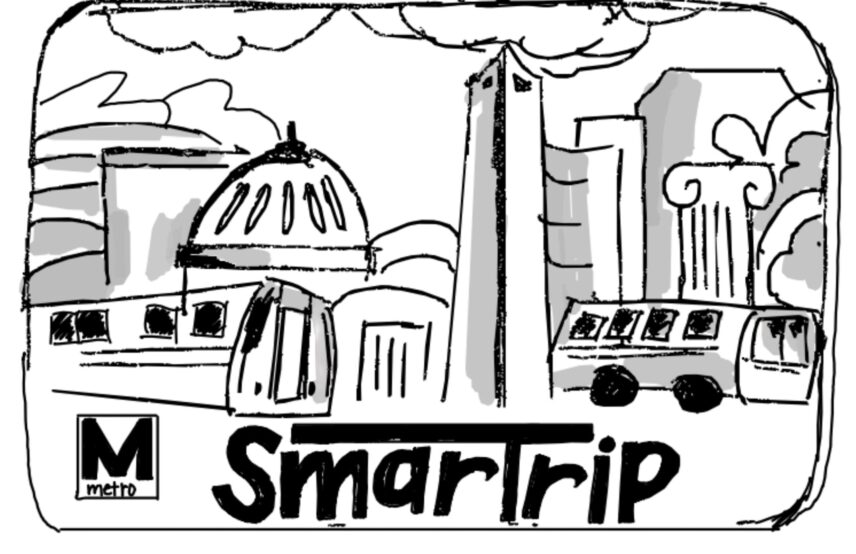
By the end of our time in the internship program, we had worn metro cards, many memories, and knowledge of navigating the DMV like locals. We have a clearer direction of where we are going in terms of understanding our professional goals as well. To Lianna, her trowel is the embodiment of the collaborative efforts taken to interpret our shared past through archaeological material. To Kate, the obituary of Cadaval is an invitation into the long line of the field of work in cultural heritage preservation. And to both of us, the American Anthropologist anthologies reminded us of how our academic and professional training in the discipline of anthropology will guide us wherever we end up next, just as past anthropologists now guide the work of the AAA.