

Article begins
After USAID is a series that explores the unintended, and not immediately visible, consequences of the Trump administration’s decision to dismantle the US Agency for International Development (USAID) in 2025. As practitioners, researchers, and critics of international development, the series welcomes the unique perspectives anthropologists have to offer on how people and communities around the world are making sense of this momentous change.
In the weeks following the shuttering of USAID, stories about American aid workers and development professionals being shut out of their emails and pulled out of their foreign posts with no notice started to circulate in the media and in development circles worldwide. It is now estimated that over 20,000 Americansi lost their jobs with the dismantling of USAID and its implementing partners around the world. And while the 2025 Democratic electoral victories in Viriginia were in part attributed to the impact of the firing of government workers—like those at USAID—sympathy for the educated, middle-class development professionals in the DC metro area is unlikely to be the political issue that gets voters out to the polls nationwide in 2026 and 2028. A more important story is the impact of USAID’s closure on the professional classes in recipient countries around the world. This essay draws from ethnographic insights in Uganda, where I have worked on issues around development policy for the past twelve years, to explore the unexpected impacts of USAID’s closure on the global middle classes.
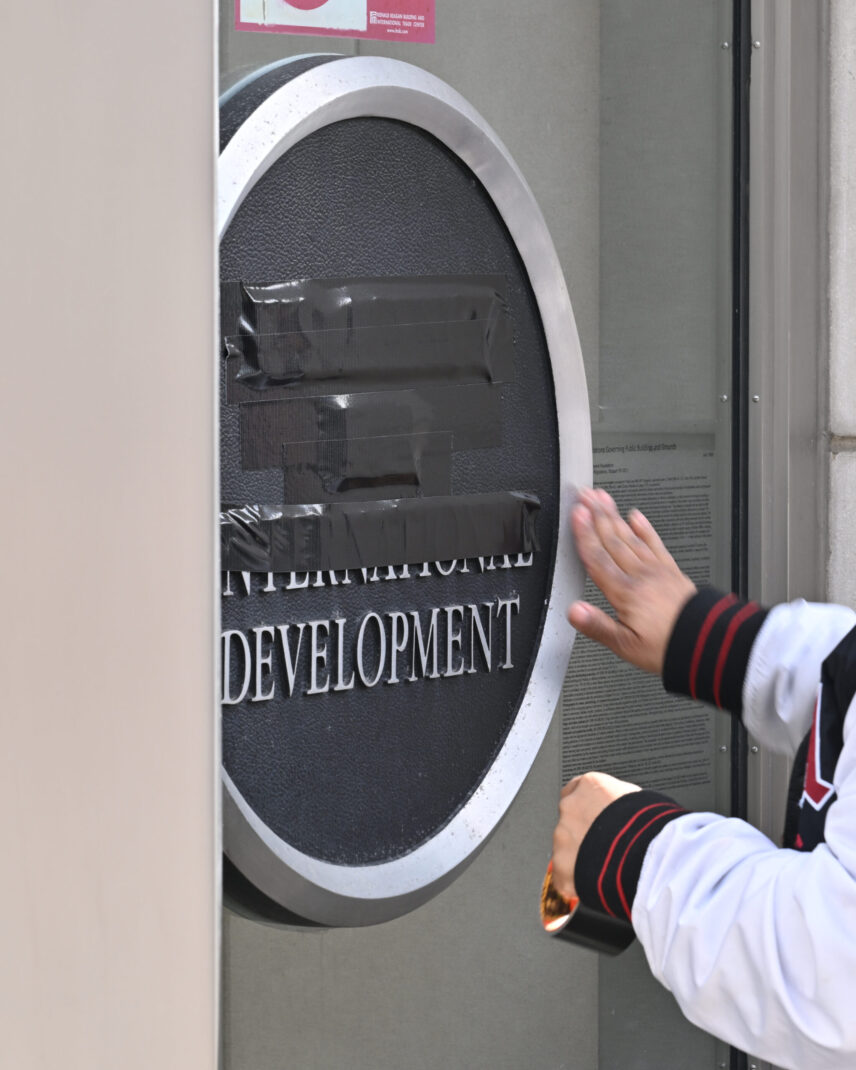
As part of the push toward more locally led and community-driven development efforts that became the nomenclature of the development world since the early 2000s,ii USAID and other large bilateral organizations created benchmarks of how much money should be directly allocated to locally run organizations. While USAID had not come close to meeting their benchmark of 25%, by 2025, between 10 and 15% of their funding was going directly to locally led organizations before the closure.iii Lurking behind this statistic is the remaining 85% of USAID’s budget that funded an extractive apparatus of mostly American contractors and subcontractors that benefited from highly restrictive procurement policies that often led to a flow of aid money back into the United States.
At the same time, this push towards more locally centered programs also created a development professional class that composed the backbones of many of the middle classes in recipient countries around the world. Employment with organizations contracting with USAID became especially lucrative in the midst of the structural adjustment reforms of the 1990s and early 2000s that stripped many civil service jobs and made it harder for ordinary people to achieve middle-class status. It is estimated that the closure of USAID has led to the loss of nearly 240,000 jobs globally, which doesn’t even begin to account for the micro-economies of domestic work, transportation jobs, and other service industries built around the development industry.
The immediacy of the pullout has led to sudden joblessness for thousands of middle-class professionals in recipient countries. While USAID is not the only foreign institution in many countries like Uganda, where I work, it has been a harbinger for a massive downscaling of other efforts. UKAid has been downsizing for a decade now after similar domestic politics turned foreign aid into an easy target for the conservative government to cut. Perhaps more impactful has been the scaling down of many UN agencies, which are the most stable and lucrative employers of the middle class in places like Uganda. Trump’s demand for NATO countries to increase their defense spending alongside a massive decrease in the US’s contribution to the UN has made most agencies untenable at their current size. UNICEF, for example, projects a 20% budget cut in 2026, with a similar rate of institutional downsizing.
Precarity is not new for this group of middle-class development professionals. Their careers are often punctuated by periods of joblessness, as much of the development sector operates on short-term contracts. However, the scale of this rapidly shrinking job sector in places like Uganda is yet to be fully appreciated. Certainly, other labor opportunities will fill the place of aid agencies. Governments, including in Uganda, are already turning toward contracts with China and the Gulf States to take over some of the infrastructure and technology investments that in previous decades would have been funded by democracy-conditioned aid packages. But the reality facing many of these countries is that there is a growing cohort of educated middle-class youth (alongside an even larger group of working-class urban youth) that are coming of age in an era where the jobs they were educated for will simply not exist.
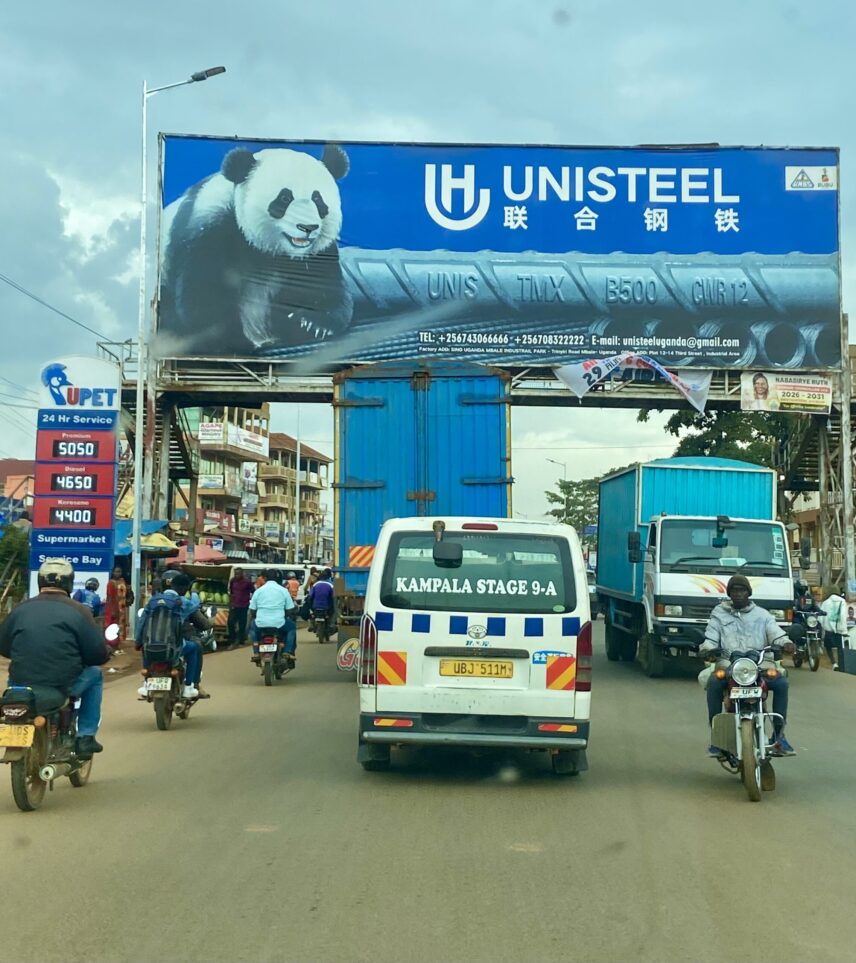
In Uganda, where I have worked for the past twelve years, external financial assistance from partners like USAID, the World Bank, and other bilateral financial institutions has consistently made up nearly 50% of the country’s annual GDP. During a trip to Kampala, Uganda’s capital, in summer 2025, I met with friends and interlocuters who have lost their jobs in former USAID programs and implementing partners. Many had moved back in with family or were planning to leave Kampala and focus more on agricultural initiatives in the village. Even when employed, these professionals were often the first to critique USAID, its inefficiency, and its general imperial “vibe” (see Hunter-Pazzara’s piece). For many, the job was just a job. But often the networks, infrastructure, and training that the professional gained through their involvement in the development sector was core to their political pursuits elsewhere. Many feminist organizers in Kampala, for example, are employed in different bilateral development organizations and use their day jobs to help build much more subversive and transgressive political formations elsewhere in the city. USAID and development organizations more broadly are often grafted into larger political ecologies in unexpected ways, and it is hard to portend what the political fallout (or potential) of its downsizing will be for these largely unseen political formations.
Many of the young professional classes that would be employed in USAID offices are now positioned to become organizing leaders in the new wave of Gen-Z movements taking foot in former aid-recipient countries around the world. In Bangladesh, for example, the 2024 uprisings were led by university students—the future professional class—demanding reform to quota rules for government jobs. As USAID and its democracy-conditioned programs fade from the political ecosystem of countries like Bangladesh and Uganda, what will the political work and demands of the young middle classes look like in this dawning era of uprising and protest? What types of political futures and NGO afterlives will emerge in a world less contained by democratic norms? And will the progressive, western middle class that has been defending the role of USAID in the world be able to see these movements on their own terms?