

Article begins
(1923–2024)
Dr. Hazel Hitson Weidman was a founder of the Society for Medical Anthropology (SMA) in 1971 and editor of its first newsletter, now Medical Anthropology Quarterly (Weidman 1986). Her work refined cross-cultural community research methods, advancing theoretical concepts of transcultural medicine, health culture, culturally appropriate care, the culture-broker role, and the professionalization of clinical anthropology. In the book Culture in the Clinic, medical historian Catherine Mas (2022) details Hazel’s role in shaping the cultural competence movement as medical institutions sought to expand healthcare access to neglected communities and ethnic minorities.
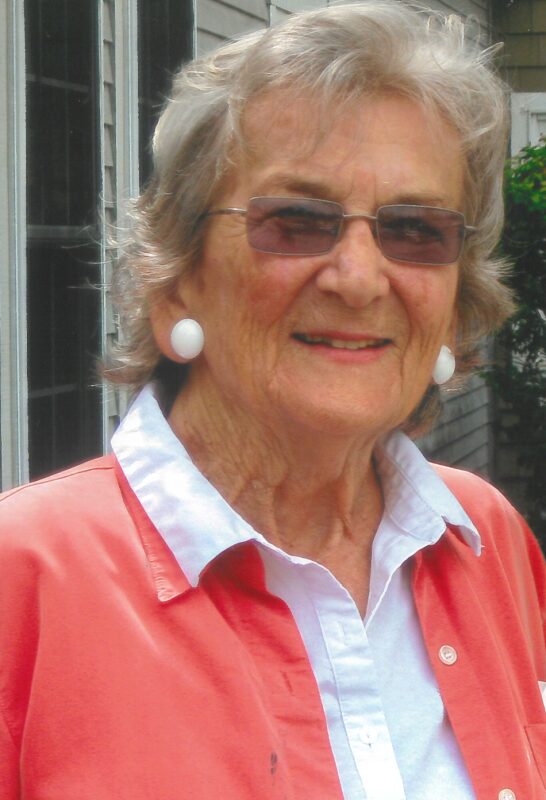
Hazel’s academic career began at Harvard University’s Department of Social Relations, where she studied from 1956 to 1959, under William Caudill, an early proponent of medical anthropology. Her dissertation compared paranoid personality in Burma and Boston. After earning her PhD in 1959, she worked on tuberculosis control for the Massachusetts Department of Public Health. She married William Weidman, MD, Director of State Hospitals and Tuberculosis Control. In 1964, Hazel began teaching anthropology at William and Mary, then the University of Alabama. In 1968, Hazel joined the University of Miami School of Medicine’s Department of Psychiatry, committed to transforming its unicultural orientation into a transcultural model of research, service, and training (Weidman 1979).
In the late 1960s, Hazel launched the Miami Health Ecology Project to understand why five ethnic neighborhoods surrounding Jackson Memorial Hospital underutilized this public institution. Bahamian, Cuban, Haitian, Puerto Rican, and Southern Black cultural traditions of health and healing were examined through ethnography, household surveys, and mapping to identify cultural values, health beliefs, practices, and health care resources (Scott 1974). In 1974, adding an Anglo community, six neighborhood mental health clinics were established staffed by professionals from that community. Clinics embodied her vision of culturally appropriate care, ideally directed by anthropologists acting as “culture brokers” to mediate between the local community and health institutions (Weidman 1971).
Hazel’s influence expanded with her founding of the Office of Transcultural Education and Research in 1982. Interdisciplinary faculty and staff served as consultants and trainers to hospital physicians. Within five years, with the Cross-Cultural Training Institute, (Lefley and Pederson 1986), Hazel’s transcultural model diffused to 97 health facilities across the US and globally through visiting anthropologists.
With genial good humor, Hazel unfailingly supported students and junior faculty. Her quiet yet impactful leadership mentored many who advanced culturally appropriate health care. Among them were institution builders Paul Farmer (2013), founder of Partners in Health, and Dennis Wiedman (2021), lead academic planner for founding the Wertheim College of Medicine at Florida International University. Her legacy of professionalizing clinical anthropology continues with the Society for Medical Anthropology Health Professions Education Special Interest Group launched in 2022.
In 2017, SMA honored Hazel for “excellent work in founding” the SMA and Medical Anthropology Quarterly. The Hazel Weidman Award for Exemplary Service to the SMA honors members whose careers demonstrate extraordinary service to the profession.
Retiring in 1990, Hazel moved to Maine, remaining engaged in community service, particularly the Veterans Resource Center. A World War II U.S. Navy WAVE Instrument Flight Instructor, on her 100th birthday, August 3, 2023, she received the Military Women’s Memorial Living Legend Certificate, honoring her lifelong contributions and inspiring legacy. She passed away on April 22, 2024, survived by her third-born son Charles. (Penobscot Bay Pilot 2024)
(Dennis Wiedman)