

Article begins
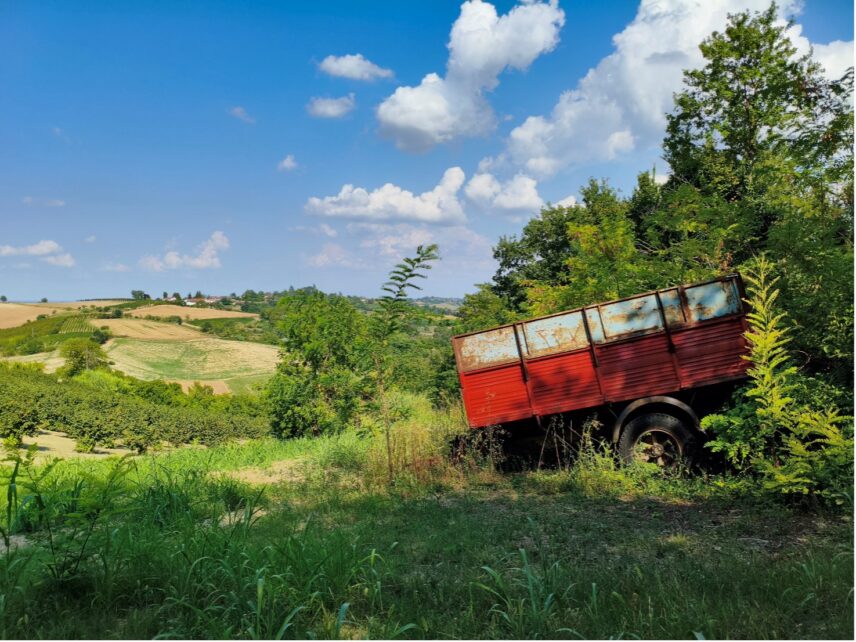
The gravel road winds past abandoned farms, collapsed barns, and old fields swallowed by wild vegetation. Rusting machinery sinks into tall grass. Outside a gas station, old men lean against battered cars and talk about collapsing commodity prices, about children who left for the city, about land that costs more than it yields. You could be in Iowa or Ohio, in the landscape of Jane Smiley’s A Thousand Acres or Wendell Berry’s elegies for a vanishing agrarian life. Yet this is Italy.
It is an Italy that travel brochures and food magazines rarely show. We have learned to see the peninsula through a haze of cinematic romance: terraced hills, stone hamlets, trattorias with checkered tablecloths, white-haired vintners tending ancestral vines. With more UNESCO World Heritage sites than any other country, Italy has become a global emblem of authenticity and slow living. Behind that image sits a demographic fact. Roughly seventy percent of its territory is rural, hilly, or mountainous, yet most Italians live in the remaining third, along the coasts, in metropolitan belts, and on the industrial river plains. The interior is emptying, and the national population is projected to shrink by several million by 2050, with rural areas halving.
In village after village, the answer one hears in municipal halls and farm kitchens is strikingly consistent: “Manufacturing never really worked here, farming is failing us, but tourism will save us.” Hosting visitors, pouring wine for strangers, and staging rural life for city dwellers has become the last economic lifeline before a community slips into oblivion. Most of us were taught to think of tourism as an industry: hotel bookings, airline seats, visitor spending, a branch of the service economy to be measured and optimized. In the Italian hills, that view is dangerously incomplete. Tourism there is more like a lens through which people understand their situation, imagine what comes next, and rebuild their working lives around those imaginings.
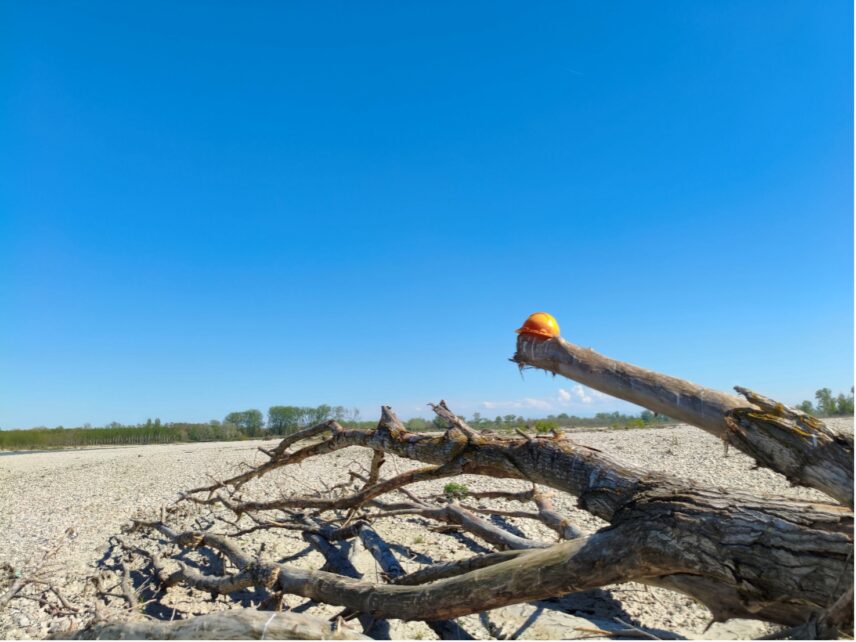
Empty Rurality
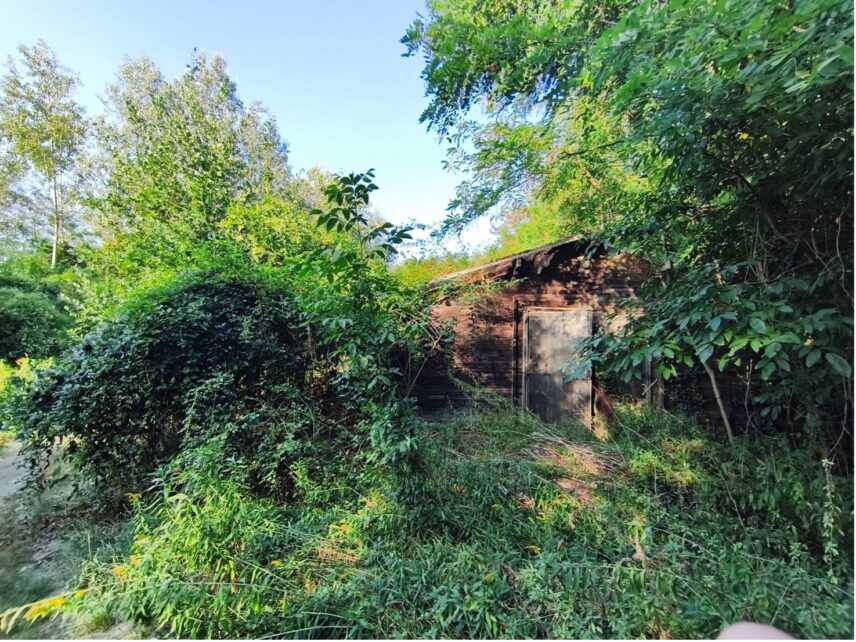
To see why the stakes feel so high, consider what these communities have already lost. A century of emigration, first across the Atlantic and then to the factories of Turin, Milan, and Genoa, emptied the hills twice over. The Italian anthropologist Ernesto de Martino described the mood that settles over communities facing such loss as territorial anguish, a “crisis of presence” in which the village’s cycle of reproduction, working the family plot, passing down skills, gathering in the parish square, can no longer be taken for granted. When that cycle breaks, the mental map of the world begins to collapse along with the economy. People start living inside a place as though its end had already arrived, what we might call anticipatory ruination. Tourism enters this mood as hope.
It also enters with the blessing of the Italian state. After World War II, Western farm policy followed the logic of the Green Revolution: specialize, mechanize, intensify. That model suited the broad plains far better than the fragmented, labor-intensive slopes of southern Europe, and as supply chains lengthened, processors and retailers captured an ever-larger share of the value. Rather than guaranteeing better prices, Italy redefined farming itself. A 2001 law introduced “multifunctionality”: as long as the land and labor of a farm remained rooted in agriculture, it could legally offer lodging, restaurants, workshops, and direct sales. Later laws extended the same logic to agritourism, wine tourism, and olive oil tourism, with favorable tax treatment. Policy was conceding, in effect, that growing food could no longer sustain a rural family on its own. Farmers who wanted to stay on the land had to turn their daily lives and labor into an experience visitors would pay to enjoy.
Rewriting Rural Jobs
My research in Monferrato, a UNESCO World Heritage site in northwest Italy, explored what this shift does on the ground, and Maria’s story reflects it. Maria (a pseudonym) is fifty, sharp, and articulate. She holds a degree in foreign languages and spent fifteen years in Milan’s corporate sector before restructuring pushed her out. This is not an unusual background. Her father had managed the family’s forty-hectare estate through the 1970s and 1990s. Like many of his generation, he wanted his children to have the opportunity to do what he could not: study and find a job outside agriculture, so he supported them in completing university while he ran the estate. He was producing large quantities of simple table wine, the daily sustenance of a working-class country that drank a bottle a day. By the time Maria came home a decade ago, that world was gone. Wine consumption had collapsed, and selling grapes to the local cooperative barely covered the diesel fuel for the tractors. She and her brother divided the business along a new line: he kept the tractor, and she took over the narrative. She converted the old brick stables into a bistro and tasting room, designed vineyard walks, and paired tasting flights with local delicacies.
She put the change bluntly: “If I have ten thousand euros to invest tomorrow, I would not replant an acre of vines. I am putting that money into expanding the panoramic wooden deck or buying better stemware for the tasting room […]. My job is no longer farming. My job is stage direction.”
Maria’s sentence deserves to be taken literally, because it shows something a purely economic reading of tourism misses. Tourism has not simply added a new sector alongside farming. It has changed what farming is, and what counts as valuable knowledge within it. The weather-worn understanding of soil, pruning, and moisture that her father spent a lifetime acquiring now sits at the margins of the enterprise. What decides whether the farm survives is a different set of skills: digital literacy, storytelling, hospitality management, the visual curation of a social media presence. Visitors, for their part, no longer want merely to look at the countryside. They want to dive in, to encounter a heritage that feels authentic, transformative, and a little bit photogenic. The farmer is asked to become a host, a guide, and a performer, and agriculture is increasingly valued for the story it can provide.
Hannah Wadle is the section contributing editor for the Council on Heritage and the Anthropology of Tourism.